
THE DAYTELY JOURNAL
Global observances
Stories about global observances from the Daytely blog.
A LITTLE MORE TO READ
Global observances

International Day of Happiness and the value of measuring wellbeing
Observed on 20 March, the day asks societies to consider wellbeing, inclusion and opportunity alongside economic growth.
Read the story
United Nations Day: what happened on 24 October 1945
United Nations Day marks the date in 1945 when the UN Charter entered into force and the organization officially came into existence.
Read the story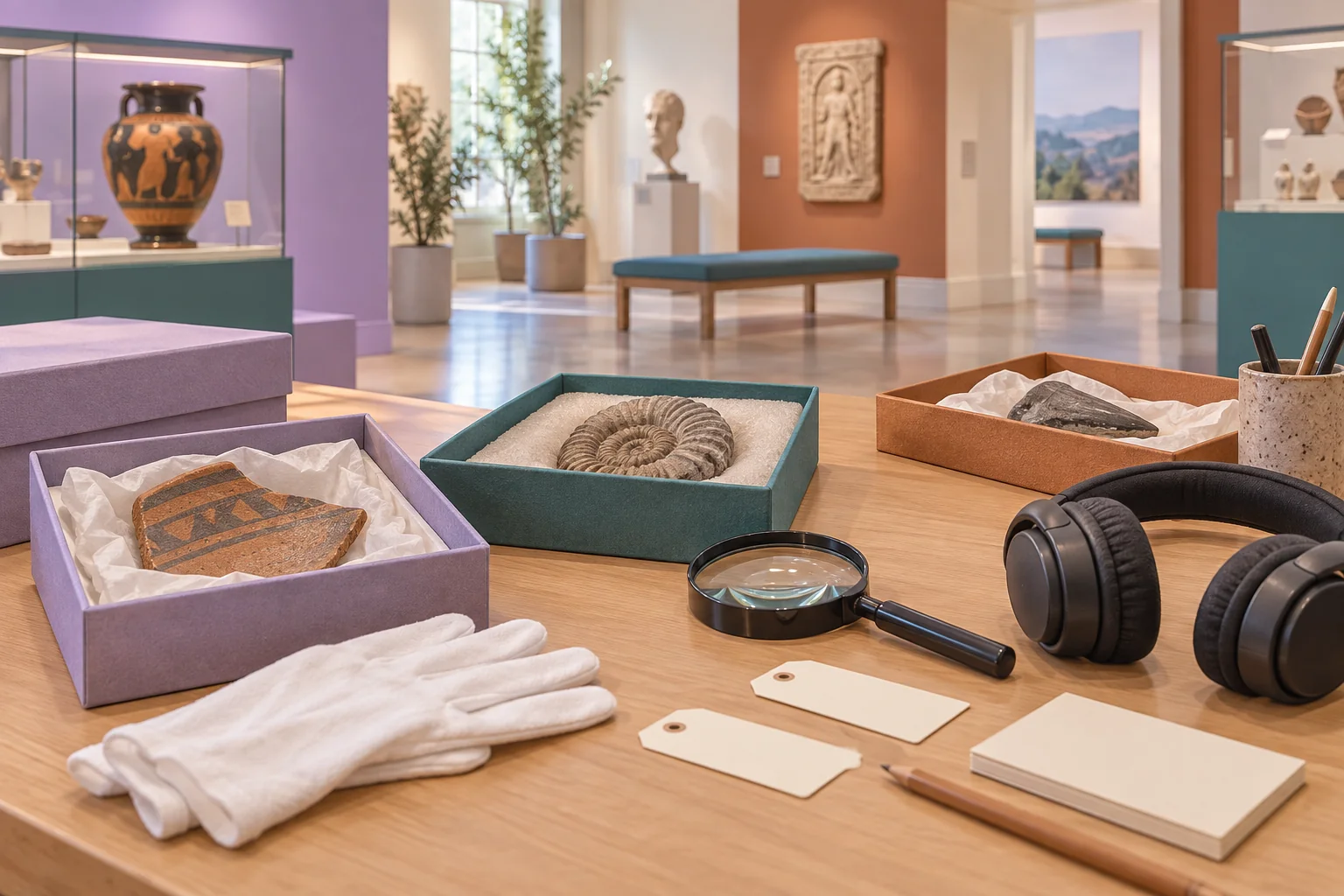
International Museum Day and the dates that preserve history
Museums mark 18 May with a changing annual theme and an invitation to consider how collections serve, include and represent communities.
Read the story
World Water Day: why 22 March belongs on the calendar
Observed by the United Nations on 22 March, World Water Day focuses attention on safe water, sanitation and shared freshwater systems.
Read the story
Human Rights Day and the document remembered on 10 December
Human Rights Day marks the 10 December 1948 adoption of the Universal Declaration of Human Rights and its promise of equal dignity.
Read the story
International Volunteer Day: remembering to show up
Observed on 5 December, International Volunteer Day recognizes service while inviting organizations to make volunteering useful and sustainable.
Read the story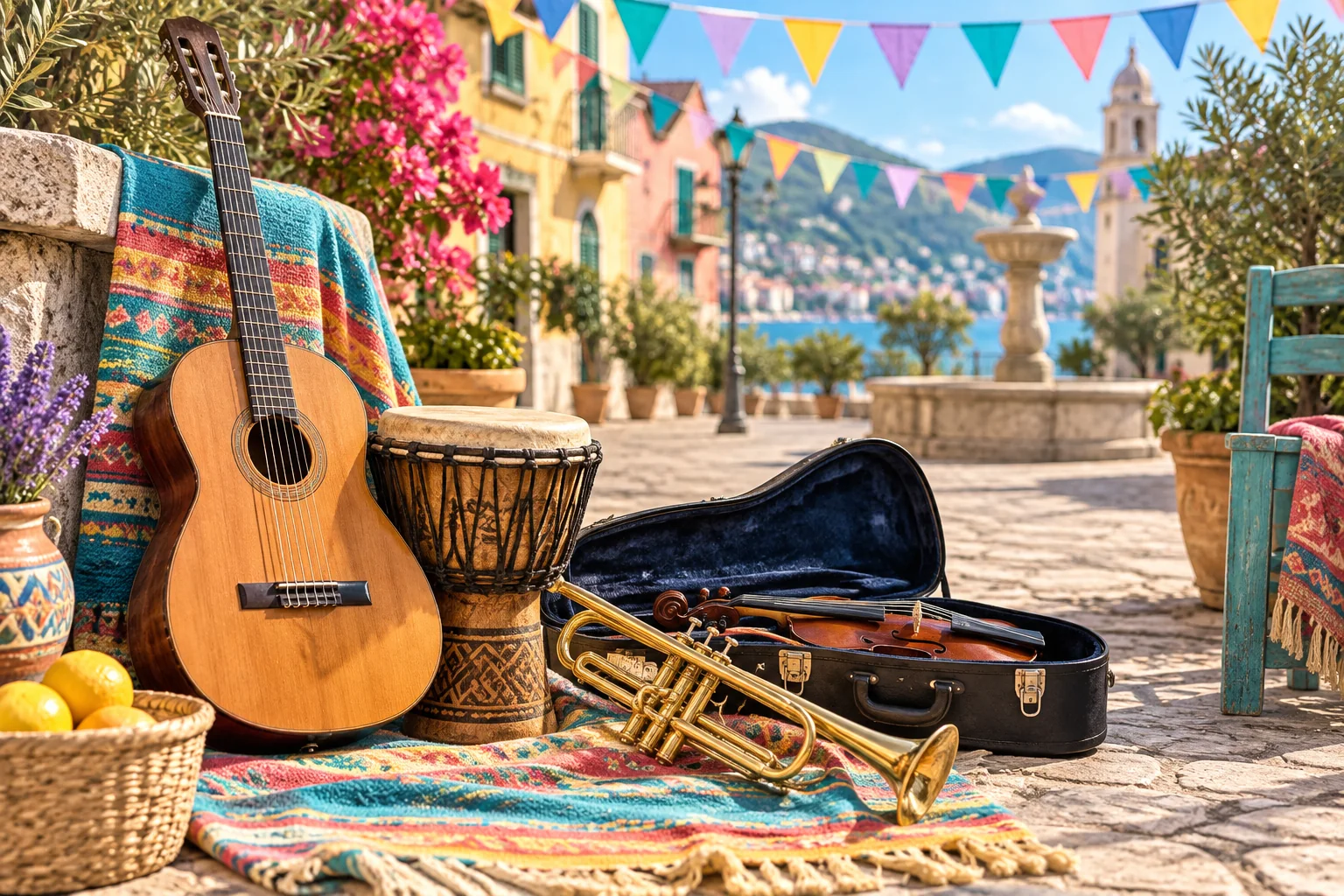
World Music Day and the dates communities celebrate sound
The Fête de la Musique began in France on 21 June 1982 and grew into a wide celebration of live music in streets and shared spaces.
Read the story
International Day of Families: what 15 May can remind us to notice
Observed by the United Nations on 15 May, the day draws attention to the many forms families take and the conditions that help them thrive.
Read the story
International Youth Day: making room for young voices
Observed on 12 August, International Youth Day asks institutions and communities to treat young people as participants in the present.
Read the story
World Photography Day and the dates that hold visual memory
The informal celebration on 19 August recalls photography’s public history and invites us to notice what pictures preserve—and leave out.
Read the story
International Literacy Day: why reading has a date of its own
Observed on 8 September, International Literacy Day makes space for reading, writing and the many skills people use to participate fully.
Read the story
World Health Day and the anniversary behind 7 April
World Health Day returns on 7 April, the anniversary of the World Health Organization’s founding constitution taking effect in 1948.
Read the story
World Environment Day: why 5 June invites action
The UN’s flagship environmental day creates a yearly moment for public attention, while useful action continues long afterward.
Read the story
International Women’s Day: the story behind 8 March
The date grew from labour and voting-rights movements and remains a day for celebrating progress while confronting inequality.
Read the story
Earth Day on 22 April: how one date grew around the world
22 April has carried environmental attention since the 1970s and is now also observed by the United Nations as International Mother Earth Day.
Read the story
World Book Day: why countries mark it on different dates
UNESCO celebrates books on 23 April, while local World Book Day traditions may appear elsewhere on the calendar.
Read the story
International Friendship Day: a date for the people beside us
30 July is a global observance of friendship, while many countries keep their own dates and traditions for celebrating it.
Read the story
World Teachers’ Day: why 5 October matters
World Teachers’ Day celebrates educators and returns attention to the conditions, support and trust their work requires.
Read the story
Why the International Day of Peace is marked on 21 September
A shared day cannot create peace alone, but it can make room for learning, reflection and practical acts of nonviolence.
Read the story
Why do some dates become international days?
A date on the world’s calendar often begins with a shared concern, a public decision and the hope that attention can lead to action.
Read the story