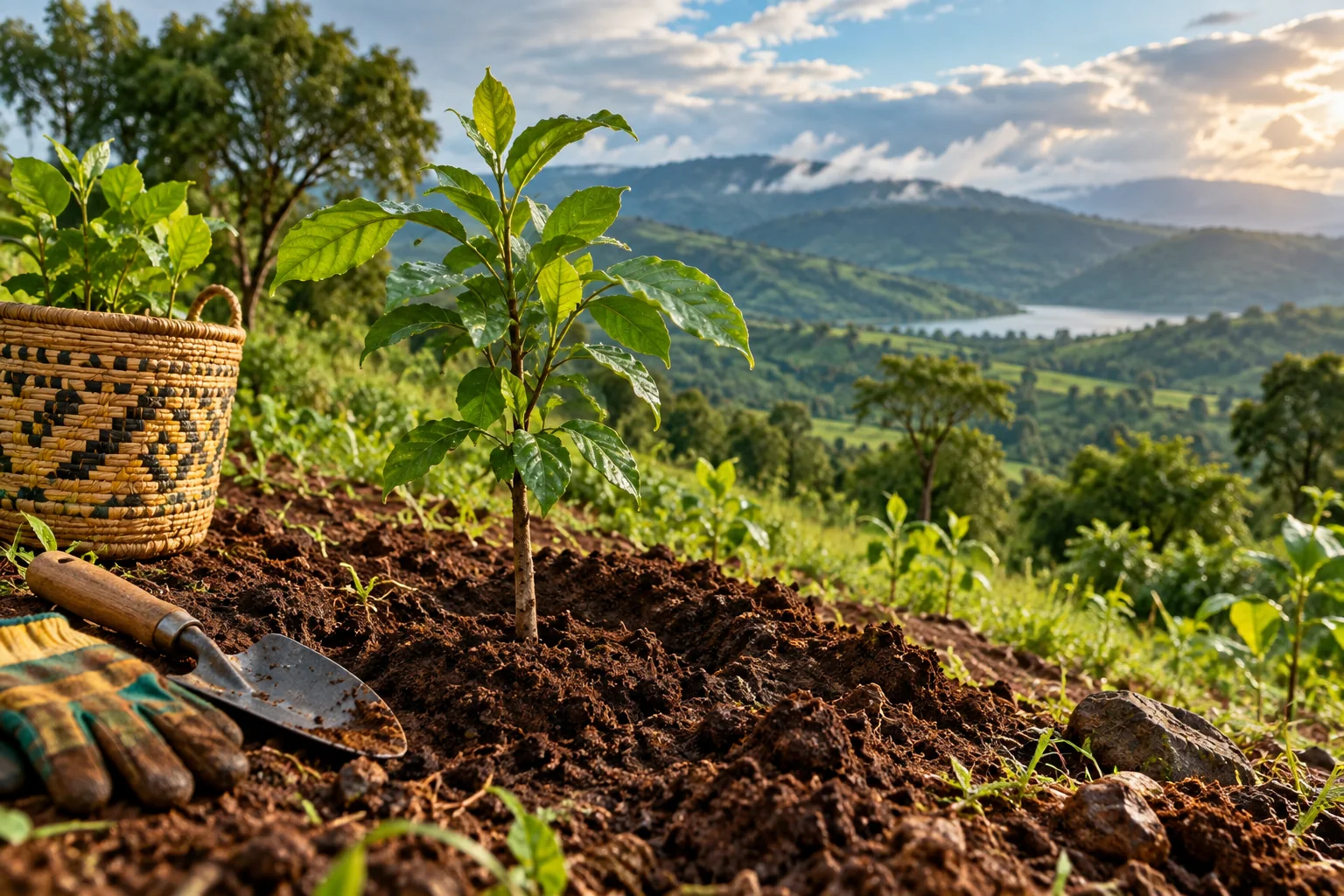

Earth Day is marked on 22 April in communities around the world. The modern environmental movement gave the date prominence in the 1970s, while the United Nations formally designated 22 April as International Mother Earth Day in 2009.
One date carries connected histories
The United Nations background traces the observance to the period when environmental protection was gaining public and political attention. The UN designation did not erase earlier Earth Day traditions. It added an international framework centred on the relationship between people, other living species and the planet.
A theme may change; the date remains
Campaign themes often respond to current needs, so check the official organiser before repeating last year’s slogan. The enduring purpose is attention and action. A yearly date is most useful when it helps you review what became a habit and what remained only an intention.
Make the reminder local
Choose an action suited to your place: learn about a nearby ecosystem, reduce a recurring source of waste, join a trusted community project or ask local experts what restoration work is useful. Avoid gestures that create hidden waste or introduce unsuitable plants.
Save 22 April as a custom date with a note to review your plan two weeks earlier. The planet is larger than one day, but shared dates can help sustained work find a rhythm.